The Grinding Process in Furniture Painting--- Abrasives Sandpaper
The grinding process in furniture painting mainly has three functions:
① For the base material, remove burrs, oil, and dust on the surface of the base material;
② For the scraped surface, the surface is generally rough, and it needs to obtain a relatively flat surface, so grinding can reduce the roughness of the workpiece surface;
③Enhance the adhesion of the coating. Before spraying the new paint film, it is generally necessary to polish the old paint film layer after hard drying, because the adhesion on the excessively smooth surface is poor, and the mechanical adhesion of the coating can be enhanced after grinding.

There are three methods of sanding: dry sanding, wet sanding, and mechanical sanding.
①Dry sanding: use sandpaper for sanding. It is suitable for grinding hard and brittle paints. The disadvantage is that a lot of dust will be generated during the operation, which will affect the sanitation of the environment.
② Wet sanding: sand with water or soapy water. Water grinding can reduce wear marks, improve the smoothness of the coating, and save sandpaper and labor. However, after water grinding, you should pay attention to spraying the lower layer. First, wait for the water-grinding layer to dry completely before applying the lower layer of paint, otherwise, the paint layer will quickly turn white. In addition, the substrate with strong water absorption is not suitable for water grinding.
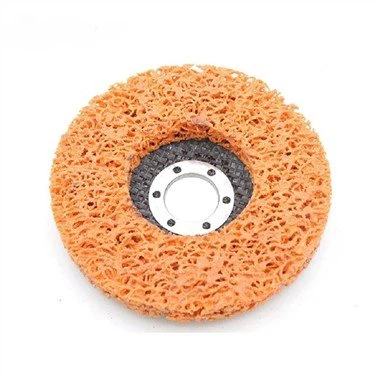
③Mechanical grinding: For large-scale construction, in order to improve work efficiency, mechanical grinding methods can be used, such as electric grinding machines (disc type, vibration type).
There is also a kind of grinding: the coating requirements indicate that it is "light grinding", such as sealing paint, recoating old paint films, and partial repairs. Otherwise, it will backfire.